Revolutionizing Waste Reduction The Garbage Compactor Truck
Introduction: In an era where sustainability and waste reduction have become critical global concerns, the role of garbage compactor trucks in managing and reducing waste has become increasingly indispensable. These specialized vehicles have revolutionized waste management processes, offering an efficient and environmentally friendly solution to the growing problem of excessive waste volumes. This article delves into the world of garbage compactor trucks, exploring their working mechanisms and highlighting their significant contribution to waste reduction efforts. With a focus on waste management practices, environmental impact, and technological advancements, we will explore the vital role played by garbage compactor trucks in creating a more sustainable future. 1. Understanding Waste Management: Before delving into the role of garbage compactor trucks, it is crucial to have a comprehensive understanding of waste management. Waste management encompasses the collection, transportation, processing, and disposal of waste materials. Inadequate waste management practices can lead to environmental degradation, health hazards, and resource depletion. Thus, the need for efficient waste management systems, such as garbage compactor trucks, becomes paramount. 2. The Functioning of Garbage Compactor Trucks: Garbage compactor trucks are uniquely designed vehicles equipped with a compaction mechanism that reduces the volume of waste materials. These trucks play a vital role in waste collection and disposal processes, enabling a more efficient and cost-effective approach to waste management. The compactor mechanism, typically located at the rear of the truck, employs hydraulic power to compress and compact waste materials, allowing for more significant quantities of waste to be collected before disposal. 3. Types of Garbage Compactor Trucks: There are several types of garbage compactor trucks, each with its specific features and applications. The most common types include front loader compactor trucks, rear loader compactor trucks, and side loader compactor trucks. Front loader compactor trucks have a mechanism at the front of the vehicle, allowing for easy collection and compaction of waste directly from designated bins or containers. Rear loader compactor trucks, on the other hand, have their compaction mechanisms at the rear, making them suitable for collecting waste from residential areas. Side loader compactor trucks are designed with a mechanism on one side, enabling waste collection from narrow streets or areas with limited access. 4. Environmental Impact of Garbage Compactor Trucks: One of the primary benefits of garbage compactor trucks lies in their significant contribution to reducing the environmental impact of waste disposal. By compacting waste materials, these trucks can carry larger volumes of waste, reducing the number of trips required for collection and disposal. water tank truck results in reduced fuel consumption, lower greenhouse gas emissions, and a smaller carbon footprint. Additionally, the compaction process within the truck minimizes the risk of waste spillage, preventing littering and contamination of the surrounding environment. 5. Waste Reduction and Space Optimization: 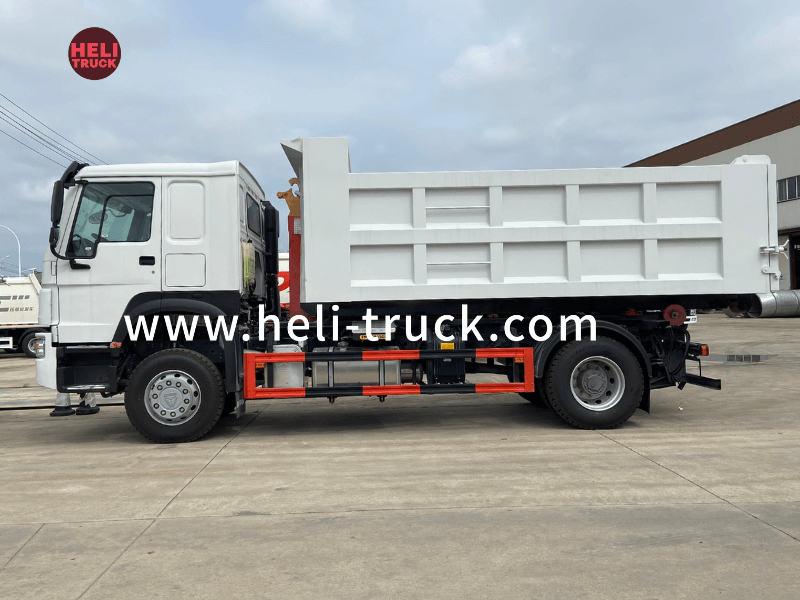 Garbage compactor trucks play a crucial role in waste reduction efforts by optimizing space utilization. The compaction mechanism allows for a substantial reduction in waste volume, enabling more efficient utilization of disposal sites and landfills. By compacting waste materials, garbage compactor trucks can transport and dispose of larger quantities of waste within the same spatial limitations, reducing the need for additional landfills and ultimately conserving valuable land resources. 6. Technological Advancements and Innovations: The field of waste management has witnessed significant technological advancements in recent years, and garbage compactor trucks have not been left behind. These vehicles now feature advanced monitoring systems, such as sensors and GPS technology, to optimize waste collection routes, track vehicle performance, and monitor waste levels in real-time. Furthermore, innovative waste separation mechanisms have been integrated into some compactor trucks, allowing for the segregation of recyclable materials during the collection process. These technological innovations further enhance waste management practices and contribute to a more sustainable waste reduction approach. 7. Challenges and Future Prospects: While garbage compactor trucks have revolutionized waste management practices, several challenges still need to be addressed. One significant challenge is the integration of renewable and sustainable energy sources to power these vehicles, reducing their reliance on fossil fuels. Furthermore, waste management authorities and stakeholders must invest in comprehensive training programs for personnel operating these trucks to maximize efficiency and minimize operational errors. Looking forward, the future prospects of garbage compactor trucks include the integration of artificial intelligence and automation technologies, further streamlining waste collection and compaction processes. Conclusion: Garbage compactor trucks have emerged as a game-changer in waste management and reduction efforts. By optimizing waste collection, compaction, and transportation, these vehicles contribute significantly to environmental sustainability and efficient resource utilization. The environmental benefits, space optimization, and technological advancements associated with garbage compactor trucks make them a vital component of modern waste management practices. As we strive for a more sustainable future, the role of garbage compactor trucks in waste reduction will continue to grow, shaping the way we manage and dispose of waste on a global scale.